
BLOG
A Homeowner's Guide to Plumbing Systems, Common Problems and Preventative Maintenance in Fairfield NSW
A property's plumbing system supplies clean water, removes wastewater and supports everyday activities such as cooking, washing and bathing. In Fairfield NSW, homeowners and business operators need to understand how these systems work and recognise early signs of plumbing faults before they develop into more serious problems.
Most plumbing systems contain two main networks. The water supply system delivers clean water to taps, toilets, appliances and hot water equipment. The drainage system carries wastewater away from sinks, showers, toilets and other fixtures through underground pipes connected to the sewer network.
Understanding the relationship between these systems helps property owners identify problems, maintain their plumbing and reduce the risk of unexpected damage.
How Residential Plumbing Systems Work
A typical residential plumbing system has separate pipes for incoming water and outgoing wastewater. Water enters the property through a service connection and travels through internal pipes to individual fixtures and appliances.
Water pressure allows taps, showers and other fittings to operate correctly. If pressure drops unexpectedly, the cause may include a leak, a faulty pressure control component or a restriction within the pipework.
The drainage network works through gravity, carrying wastewater towards the property's sewer connection. Drainage pipes also rely on suitable gradients and ventilation to maintain consistent flow and prevent sewer gases from entering indoor spaces.
Traps installed beneath sinks and other fixtures retain a small amount of water. This water forms a barrier that stops unpleasant sewer gases from travelling back through the drainage system.
Problems with any part of these networks can affect other fixtures. For example, a blockage in a shared drainage line may cause several sinks, toilets or floor drains to discharge slowly at the same time.
Common Plumbing Problems in Fairfield Properties
Blocked wastewater pipes are a common issue for property owners in Fairfield. Fairfield City Council identifies tree root intrusion as a cause of damage to wastewater pipes. Roots can enter through small cracks, grow inside the pipe and gradually restrict wastewater flow.
Other blockages develop when unsuitable materials enter household drainage systems. Cooking fats, oils and grease can cool and harden inside pipes, trapping food scraps and other debris. Wet wipes, paper towels and sanitary products can also obstruct sewer lines because they do not break down like toilet paper.
Water leaks present another common problem. A leaking pipe behind a wall or beneath a floor may remain unnoticed until damp patches, damaged surfaces or unusually high water consumption appear.
Sydney Water identifies unexpected increases in water bills, wet lawn areas and damp walls as possible signs of leaking pipes.
Repeated drainage problems should also receive attention. A blockage that returns after clearing may indicate damaged pipe sections, root intrusion or another underlying restriction rather than a one-off obstruction.
Warning Signs That Your Plumbing Needs Attention
Plumbing faults often produce noticeable changes before causing significant damage. Recognising these warning signs helps property owners investigate problems earlier.
Common signs include:
Slow drainage: Water taking longer than usual to leave sinks, showers or floor drains may indicate an obstruction.
Recurring blockages: Repeated problems in the same drainage line can point to damaged pipes or tree root intrusion.
Unusual odours: Persistent sewer smells around bathrooms, kitchens or outdoor inspection points may indicate a drainage or trap problem.
Damp walls and flooring: Discoloured surfaces, bubbling paint and unexplained moisture can indicate concealed water leaks.
Changes in water pressure: A sudden reduction in flow may indicate a leak, restriction or issue with the water supply.
Unexpected water bills: Increased consumption without a change in household usage can indicate a leaking pipe or continuously running fixture.
Several warning signs occurring together can help narrow down the likely source of a fault. For example, slow drainage across multiple fixtures may indicate a shared wastewater pipe problem rather than an isolated sink blockage.
Preventative Plumbing Maintenance for Homes and Businesses
Regular checks can help identify plumbing problems before they affect other parts of a property. Property owners should periodically inspect visible pipework, taps, toilets and exposed connections for signs of leakage, corrosion or loose fittings.
Kitchen drainage requires particular attention. Cooking oil and grease should never be poured down sinks. Allow them to cool before placing them in a suitable container for disposal. Food scraps should also go into the rubbish or compost rather than the kitchen drain.
In bathrooms, only human waste and toilet paper should be flushed. Wipes, cotton buds, sanitary products and paper towels belong in the bin.
Outdoor drainage also needs attention. Keep inspection openings accessible and remove leaves, soil and other debris from exposed drainage areas. Check outdoor taps and visible pipe connections for moisture or damage.
Tree placement is another consideration for properties with underground wastewater pipes. Sydney Water recommends checking the sewerage service diagram before planting trees and avoiding planting trees within six metres of wastewater pipes. Some tree species have more extensive root systems and may increase the risk of pipe intrusion.
If a property has recurring root-related blockages, clearing the immediate obstruction may not address the damaged section allowing roots to enter. The condition of the pipe needs proper investigation.
Plumbing Standards and Property Owner Responsibilities in NSW
Plumbing and drainage work in NSW must comply with the Plumbing Code of Australia. The code covers the design, installation, replacement, repair, alteration and maintenance of plumbing and drainage systems.
The AS/NZS 3500 series provides technical requirements for areas including water services, sanitary plumbing, drainage, stormwater and heated water systems. Plumbing work carried out in accordance with the relevant provisions can meet the code's deemed-to-satisfy requirements.
NSW also requires the appropriate licence or certificate for plumbing, draining and gasfitting work. These requirements apply regardless of the cost of the work or whether it takes place in a residential, commercial or industrial property.
Property owners are generally responsible for maintaining private plumbing and wastewater pipes. Sydney Water manages its own wastewater infrastructure, while responsibility for a particular pipe or connection depends on its location within the network.
Understanding these responsibilities helps Fairfield property owners distinguish between problems affecting private plumbing and faults involving public wastewater infrastructure.
Maintaining a plumbing system involves more than responding to leaks and blockages. Regular inspections, sensible disposal habits and attention to early warning signs help protect water supply and drainage systems. Addressing developing faults early also reduces the likelihood of recurring problems and damage to surrounding property.
DISCOVER WHAT OUR CUSTOMERS HAVE TO SAY ABOUT US
REVIEWS
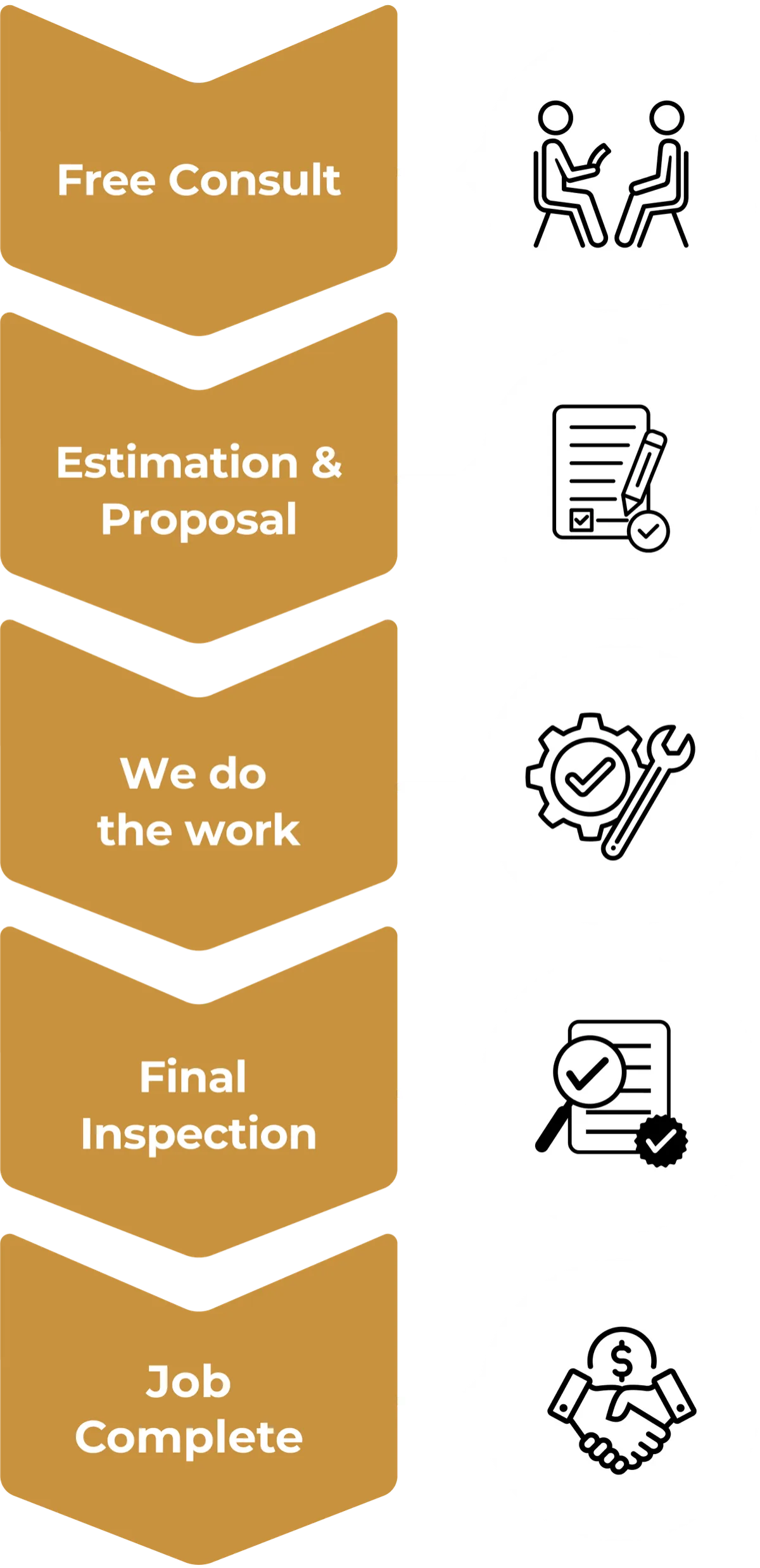
our process
Our process is simple and only contains a few simple steps

SERVICE AREAS
Proudly Serving These Areas

READY TO take the next step?
get a free quote TODAY!
Golden Maintenance Services Plumbing
Begovich Cres, Abbotsbury NSW 2176

