
BLOG
Blocked Drains in Abbotsbury and Bossley Park: How Tree Roots, Cracked Pipes and Debris Affect Wastewater Flow
Blocked drains can disrupt everyday routines, cause unpleasant odours and create wastewater problems around a property. For homeowners and businesses in Fairfield, Abbotsbury and Bossley Park, understanding what causes drainage issues can help identify problems before they become more serious.
A blockage does not always come from something recently washed down a sink or flushed down a toilet. Underground drainage pipes can also be affected by tree roots, damaged joints, cracks and accumulated debris. These problems may develop gradually, restricting wastewater flow until water begins draining slowly or backing up through household fixtures.
Tree Roots Growing Inside Underground Drainage Pipes
Tree roots are a recognised cause of wastewater pipe blockages. Roots naturally seek moisture and nutrients, and small openings in underground pipes can provide access to the wastewater inside.
A pipe does not necessarily need to be completely broken for roots to enter. Small cracks, loose joints and deteriorating connections can create openings. Once roots reach the inside of a pipe, they can continue growing and form a network that catches other material passing through the drainage system.
Over time, this growth reduces the space available for wastewater to flow. Toilet paper, grease and other debris can become trapped around the roots, gradually creating a more substantial blockage.
Properties in Abbotsbury and Bossley Park may have underground drainage running near established landscaping and trees. However, the presence of trees alone does not confirm that a property has root intrusion. The condition and location of the pipework need to be considered.
Sydney Water recommends checking sewerage service diagrams before planting trees and keeping trees at least six metres away from wastewater pipes. This helps reduce the risk of roots reaching underground drainage infrastructure.
Cracked Pipes, Damaged Joints and Deteriorating Connections
Tree roots are not always the original cause of pipe damage. Sometimes, an existing crack or weak connection allows roots to enter the drainage system. Other forms of deterioration can also affect the pipe's ability to carry wastewater.
Cracks, displaced joints and damaged sections may interrupt the smooth internal surface of a pipe. Wastewater and solid material can collect around these irregular areas rather than moving freely towards the sewer connection.
A damaged pipe can also allow wastewater to escape into the surrounding ground. Depending on the location and extent of the damage, this may contribute to persistent drainage issues, unpleasant smells or damp areas around the property.
One important sign is a blockage that returns after the drain has already been cleared. If the underlying pipe damage remains, removing the material causing the immediate obstruction may only provide temporary relief.
A drainage inspection can help identify whether the issue is caused by a localised blockage or a structural fault. CCTV drain cameras, for example, allow the internal condition of underground pipes to be viewed without immediately excavating the affected area.
Grease, Wipes and Debris Restricting Wastewater Flow
Not every blocked drain involves damaged underground pipework. Everyday household waste can gradually collect inside drainage systems and restrict the movement of wastewater.
Kitchen sinks are particularly affected by fats, oils and grease. When hot grease enters a drain, it can cool and harden as it moves through the pipe. Food particles and other waste can stick to this material, increasing the size of the obstruction.
Bathrooms and toilets have different common sources of blockages. Hair, tissues, paper towels, cotton buds and unsuitable wet wipes can accumulate inside pipes. These materials do not break down in the same way as toilet paper and can become caught on existing obstructions.
Sydney Water advises that only the three Ps, pee, poo and toilet paper, should be flushed down the toilet. It also recommends keeping fats, oils and grease out of household sinks.
Construction debris and other foreign objects can also restrict wastewater flow. If material enters a drainage pipe during building or renovation work, it may settle in a section of the system and contribute to a blockage.
Using sink strainers, disposing of cooking oil separately and avoiding unsuitable items in toilets can reduce the amount of material entering household drainage pipes.
Warning Signs That a Drainage Problem Needs Attention
Drainage problems often show warning signs before a complete blockage develops. Recognising these symptoms can help property owners understand when further investigation may be necessary.
Common signs include:
Slow-draining fixtures: Sinks, baths and showers take longer than usual to empty.
Gurgling sounds: Toilets or floor drains make unusual noises as wastewater moves through the pipes.
Recurring blockages: A drain becomes blocked again after previous clearing work.
Unpleasant smells: Persistent foul odours develop near drains or outdoor drainage points.
Wastewater overflow: Water or sewage comes back through a toilet, floor drain or external gully.
If several fixtures are affected at the same time, the problem may involve a shared section of the drainage system rather than one individual outlet. Sydney Water identifies slow drainage, gurgling and wastewater overflowing from external gullies as signs that a blockage may be present.
Wastewater overflows should be treated carefully. Avoid contact with sewage and keep people and pets away from affected areas. Where an overflow may involve the public wastewater network, Sydney Water should be contacted to investigate.
Identifying the Cause Before Repairing the Drain
Clearing a blockage and resolving the reason it developed are two different things. If roots, damaged pipework or accumulated debris remain inside the drainage system, the problem may return.
A proper assessment helps determine where the obstruction is located and what is affecting the pipe. Depending on the symptoms, this may involve inspecting accessible drainage points, using specialist equipment to locate the blockage or carrying out a CCTV camera inspection.
It is also important to establish whether the affected pipe is privately owned or part of the public wastewater network. Sydney Water explains that property owners are generally responsible for wastewater pipes on their property up to the connection with its network, although responsibility can depend on the exact location of the fault.
In NSW, plumbing and draining work must be carried out by appropriately licensed people. This includes work involving the repair, maintenance and clearing of relevant drainage systems.
Understanding the cause of a blocked drain is essential to choosing an appropriate repair. Whether the issue involves tree roots, cracked pipes or everyday debris, identifying the source helps prevent recurring problems and supports the reliable operation of a property's wastewater system.
DISCOVER WHAT OUR CUSTOMERS HAVE TO SAY ABOUT US
REVIEWS
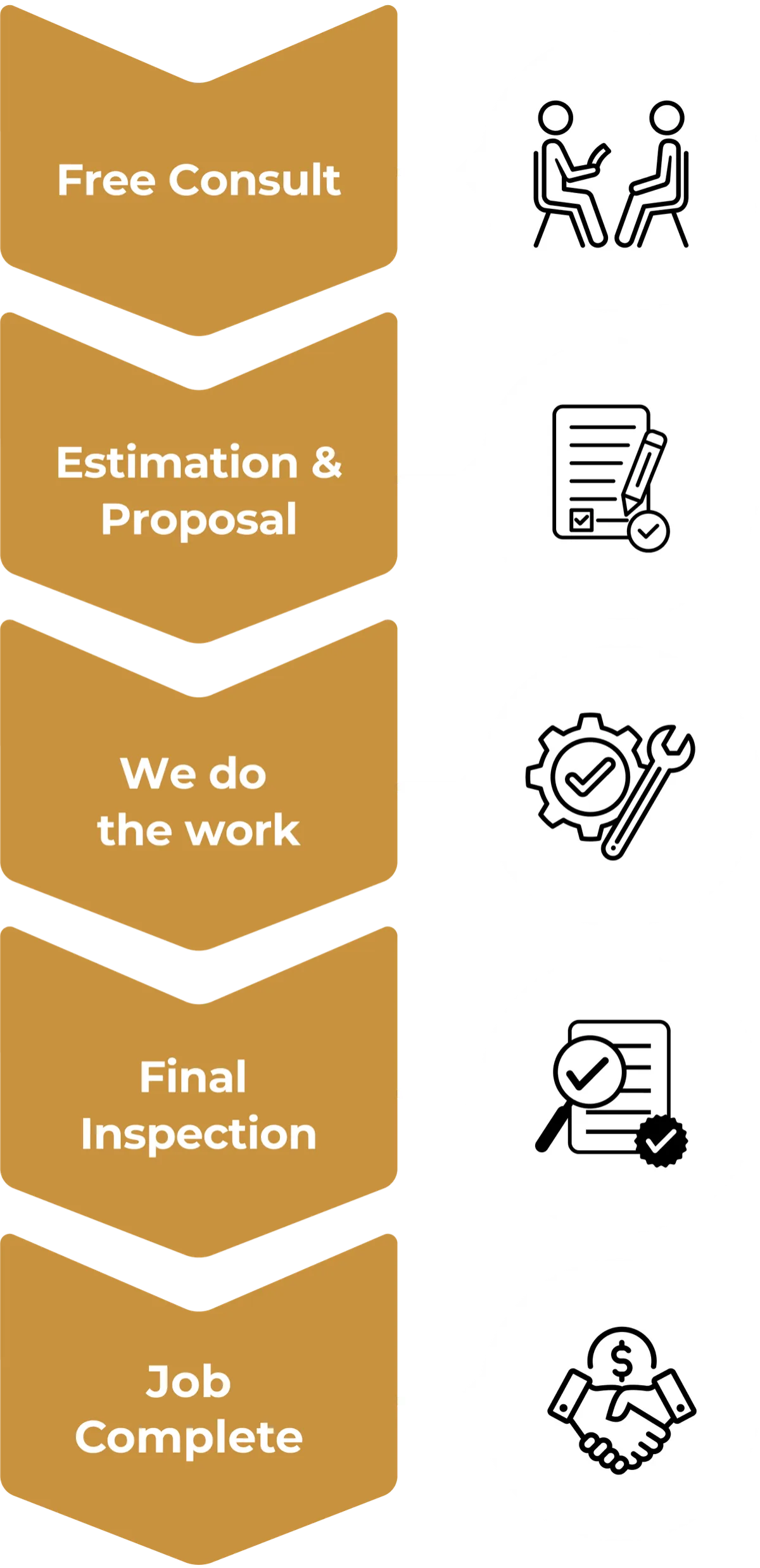
our process
Our process is simple and only contains a few simple steps

SERVICE AREAS
Proudly Serving These Areas

READY TO take the next step?
get a free quote TODAY!
Golden Maintenance Services Plumbing
Begovich Cres, Abbotsbury NSW 2176

